서브메뉴
검색
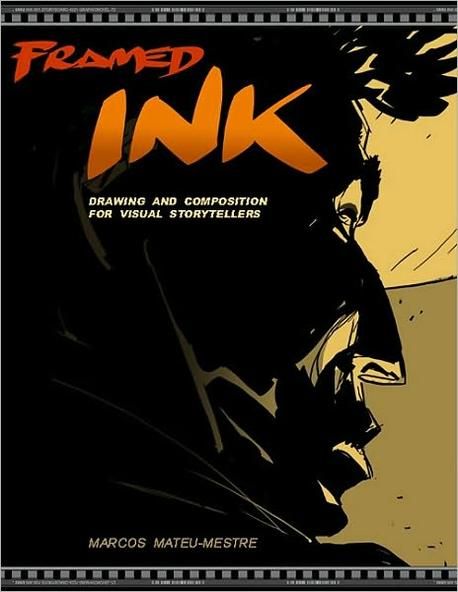
상세정보
- 자료유형
- 단행본 서양서
- ISBN
- 9781933492957 : $24.95
- ISBN
- 1933492953
- DDC
- 741.5-22
- 청구기호
- 741.5 M425f
- 서명/저자
- Framed ink : drawing and composition for visual storytellers / Marcos Mateu-Mestre.
- 발행사항
- Culver City, CA : Design Studio Press, 2010.
- 형태사항
- 127 p. : ill. ; 28 cm.
- 주기사항
- Includes index.
- 내용주기
- 완전내용Foreword -- Introduction -- Chapter 1: General Thoughts On Narrative Art -- Think, feel, What is the whole story, the specific, the shot about? -- How do we bring an audience into our world? -- General tone of the story / consistency -- Not telling the audience things, but making them feel things -- Chapter 2: Drawing And Composing A Single Image (Basics) -- Atmosphere -- Lighting -- Drawing in chairoscuro -- Studying reality as it appears in from of us -- Working the flat surface / a basic checklist -- Quick word on lenses -- Chapter 3: Composing Shots With A Purpose -- Introduction -- Part 1: Visual message within a still composition (analyzing examples) -- Restaurant (a general case) -- Establishing shots -- Animating the scene -- Looking down, feeling down -- Overpowering upshots -- Using the negative space -- Order vs chaos -- Complex vs simple -- Big vs small -- Angular vs curved -- Tree vs forest effect (numbers) -- Big, medium, small -- Landscape as a character -- Conceal and reveal (emotions) -- Weird beats, weird shots -- POV (point of view) -- Daytime /nighttime -- Keeping the focal point -- Scale progression -- Knowledge vs unawareness (intercutting) -- Beyond the standard points of interest (icons) -- Action shots -- Part 2: Working with motion -- Camera move within the set / camera motivation -- Horizontal pan (the train station) -- Vertical pan (epic shot) -- Changes in the mood (the visit) -- Reveal (a new land) -- Locking the camera (road diner) -- Locking the camera (high desert meeting) -- Chapter 4: Composing For Continuity -- How one thing affects the next: thinking in continuity -- Why build up to a climax? -- Ramping up (1) - Train flat from the side -- Ramping up (2) - Train in perspective -- Using the same elements we can deliver very different messages -- Cowboys Part 1: Keeping the camera on the same spot -- Cowboys Part 2: Changing the camera position with a purpose -- Using the same elements we can deliver very different messages / transitions -- Bikers Part 1: Mystery house -- Bikers Part 2: Mobsters in the attic -- Line -- Chapter 5: Graphic Novel -- Introduction -- Part 1: Characters -- Overall silhouette / the head -- Overall silhouette / the body -- Dynamics of expression / the face -- Dynamics of expression / the body -- Part 2: Panel and the page -- Panel -- Page -- Balloons and onomatopoeias -- Last thoughts -- Index.
- 일반주제명
- Drawing Technique.
- 일반주제명
- Graphic novels Authorship.
MARC
008220825s2010 caua 001 eng■010 ▼a2010923308
■020 ▼a9781933492957▼c$24.95
■020 ▼a1933492953
■08204▼a741.5▼222
■090 ▼a741.5▼bM425f
■1001 ▼aMateu-Mestre, Marcos.
■24510▼aFramed ink▼bdrawing and composition for visual storytellers▼cMarcos Mateu-Mestre.
■2463 ▼aDrawing and composition for visual storytellers
■2463 ▼aDrawing & composition for visual storytellers
■260 ▼aCulver City, CA▼bDesign Studio Press▼c2010.
■300 ▼a127 p. ▼bill.▼c28 cm.
■500 ▼aIncludes index.
■5050 ▼aForeword -- Introduction -- Chapter 1: General Thoughts On Narrative Art -- Think, feel, What is the whole story, the specific, the shot about? -- How do we bring an audience into our world? -- General tone of the story / consistency -- Not telling the audience things, but making them feel things -- Chapter 2: Drawing And Composing A Single Image (Basics) -- Atmosphere -- Lighting -- Drawing in chairoscuro -- Studying reality as it appears in from of us -- Working the flat surface / a basic checklist -- Quick word on lenses -- Chapter 3: Composing Shots With A Purpose -- Introduction -- Part 1: Visual message within a still composition (analyzing examples) -- Restaurant (a general case) -- Establishing shots -- Animating the scene -- Looking down, feeling down -- Overpowering upshots -- Using the negative space -- Order vs chaos -- Complex vs simple -- Big vs small -- Angular vs curved -- Tree vs forest effect (numbers) -- Big, medium, small -- Landscape as a character -- Conceal and reveal (emotions) -- Weird beats, weird shots -- POV (point of view) -- Daytime /nighttime -- Keeping the focal point -- Scale progression -- Knowledge vs unawareness (intercutting) -- Beyond the standard points of interest (icons) -- Action shots -- Part 2: Working with motion -- Camera move within the set / camera motivation -- Horizontal pan (the train station) -- Vertical pan (epic shot) -- Changes in the mood (the visit) -- Reveal (a new land) -- Locking the camera (road diner) -- Locking the camera (high desert meeting) -- Chapter 4: Composing For Continuity -- How one thing affects the next: thinking in continuity -- Why build up to a climax? -- Ramping up (1) - Train flat from the side -- Ramping up (2) - Train in perspective -- Using the same elements we can deliver very different messages -- Cowboys Part 1: Keeping the camera on the same spot -- Cowboys Part 2: Changing the camera position with a purpose -- Using the same elements we can deliver very different messages / transitions -- Bikers Part 1: Mystery house -- Bikers Part 2: Mobsters in the attic -- Line -- Chapter 5: Graphic Novel -- Introduction -- Part 1: Characters -- Overall silhouette / the head -- Overall silhouette / the body -- Dynamics of expression / the face -- Dynamics of expression / the body -- Part 2: Panel and the page -- Panel -- Page -- Balloons and onomatopoeias -- Last thoughts -- Index.
■650 0▼aDrawing▼xTechnique.
■650 0▼aGraphic novels▼xAuthorship.
미리보기
내보내기
chatGPT토론
Ai 추천 관련 도서
The ultimate guide to visual storytelling! How to make the audience ""feel"" the story while they are ""reading"" the story. Using his experiences from working in the comic book industry, movie studios and teaching, Marcos introduces the reader to a step-by-step system that will create the most successful storyboards and graphics for the best visual communication.After a brief discussion on narrative art, Marcos introduces us to drawing and composing a single image, to composing steady shots to drawing to compose for continuity between all the shots. These lessons are then applied to three diverse story lines - a train accident, a cowboy tale and bikers approaching a mysterious house.In addition to setting up the shots, he also explains and illustrates visual character development, emotive stances and expressions along with development of the environmental setting to fully develop the visual narrative.

